Introduction
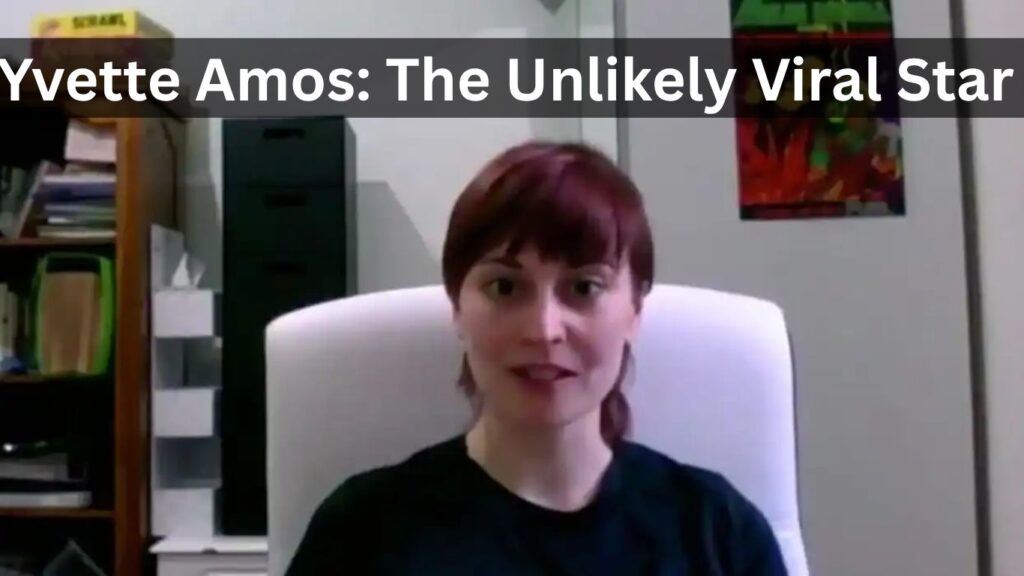
In the fast-paced digital age where a single moment can make someone an overnight sensation, Yvette Amos became a viral name for reasons no one could have predicted. A Welsh woman who appeared on BBC Wales to discuss the serious topic of unemployment during the COVID-19 pandemic, she found herself thrust into the global spotlight not for her views, but for an unexpected item visible in the background of her video interview.
The story of Yvette Amos is more than just a funny viral clip—it is a reflection of how ordinary people can become internet phenomena in seconds, how media moments are interpreted, and how individuals navigate unintended fame. This article explores Yvette Amos’s life, her viral moment, the reactions it sparked, her background, and her quiet retreat from the public eye afterward.
Early Life and Background
Childhood and Education
While specific details about Yvette Amos’s early life are limited, available information suggests she hails from Wales, United Kingdom. Like many others during the 2020 pandemic, Amos was navigating life changes, searching for employment, and adapting to the new digital world where work, learning, and interviews took place via video calls.
Yvette Amos is believed to have had a strong academic inclination. Her name appears in several academic and research platforms, suggesting involvement in scientific or educational work. Sources indicate possible affiliation with Cardiff University, though it has never been publicly confirmed by Amos herself. Her education, as reflected through her online profiles, centers on analytical and social studies, portraying her as someone with a thoughtful and intellectual background.
Life Before the Spotlight
Before her viral moment, Yvette Amos was an ordinary citizen living a quiet life in the UK. She was not a celebrity, influencer, or media personality. Like millions of others affected by the economic challenges of 2020 and 2021, she was facing the struggle of unemployment and adjusting to remote communication platforms such as Zoom and Skype.
Her story became globally recognized not because of her personal ambitions, but because of one of those spontaneous moments that social media amplifies beyond all control.
The BBC Wales Interview: How It All Began
A Serious Topic Turned Viral
In early 2021, BBC Wales invited several guests to discuss the ongoing issue of unemployment during the COVID-19 lockdowns. One of those guests was Yvette Amos, who appeared live from her home via video call. The discussion was meant to focus on the hardships faced by individuals struggling to find work amid a national crisis.
However, viewers quickly noticed something unusual in her video background: a bright, conspicuous item on a shelf behind her that many interpreted as an adult toy. Within minutes, screenshots of the interview began circulating on Twitter, Reddit, and Facebook, and “Yvette Amos BBC” became one of the top trending searches in the UK that day.
The Viral Explosion
What began as an earnest television interview transformed into one of the most talked-about viral moments of 2021. Social media users flooded timelines with humorous comments, memes, and parodies of the scene. Some saw it as harmless fun, while others pointed out the irony that a serious discussion on unemployment was overshadowed by a background detail.
Despite the humor, many sympathized with Amos. She had done nothing wrong—her interview was respectful, her points clear—but the nature of online attention meant that a single frame could redefine someone’s public image overnight.
Reactions and Public Response
Social Media Frenzy
Within hours of the interview, images and jokes about “the woman on BBC Wales with something on her shelf” went viral worldwide. The post-pandemic boom in meme culture amplified the situation even further. Major online platforms like Twitter and Reddit became flooded with edits, captions, and hashtags referencing the incident.
While many viewers laughed lightheartedly, some took a more empathetic tone, reminding others that Yvette Amos was a real person caught in an uncontrollable wave of attention. This balance between humor and empathy became an interesting reflection of how the internet treats unexpected viral subjects.
Media Coverage
Mainstream news outlets quickly picked up the story. Articles described the incident with mixed tones—some focusing on the humor, others exploring the implications of privacy and public exposure in the age of video communication. The event sparked debates about professionalism in home broadcasts and the fine line between personal and public space in digital media.
Public Sympathy
Interestingly, many people found Yvette Amos relatable. During the lockdown, everyone was conducting meetings and interviews from home, often surrounded by personal belongings. Her viral moment became a shared laugh for those who understood how easily such things could happen.
It also turned into a conversation about how society treats individuals who become viral unintentionally. Amos, by all accounts, handled the situation with quiet grace—choosing not to make public statements, not to seek fame, and not to commercialize her newfound recognition.
Life After Going Viral
Disappearing from the Spotlight
After the initial wave of attention, Yvette Amos withdrew from public commentary. She didn’t appear in follow-up interviews or issue statements about the event. This silence actually contributed to her mystique—while many viral personalities chase the fame that follows, Amos did not.
Her quiet approach reflected her preference for privacy and normalcy. She allowed the internet storm to pass naturally, and over time, her story became more of a nostalgic viral anecdote rather than an ongoing meme.
Speculation and Misinformation
As often happens with viral figures, the lack of personal updates gave rise to speculation. Online posts claimed she worked in academia, that she was a scientist, or that she had a background in research—all based on the name’s appearance on academic platforms. While these clues might hold truth, no official confirmation ever tied the researcher “Yvette Amos” directly to the BBC Wales guest.
This ambiguity demonstrates how quickly online communities construct narratives to fill information gaps. In Yvette Amos’s case, she became both a meme and a mystery.
Yvette Amos’s Possible Academic Career
Research Background and Contributions
Beyond the viral fame, the name “Yvette Amos” appears in academic contexts, credited with a few research contributions in the field of social and behavioral studies. These papers have been cited multiple times, suggesting an active or past role in scholarly work.
If this is indeed the same Yvette Amos, it paints a picture of a highly educated and thoughtful individual—someone whose professional achievements deserve more attention than a viral screenshot.
Balancing Academia and Public Perception
The overlap between her academic identity and her viral fame raises a broader question about how easily digital attention can overshadow one’s real achievements. In a world where image often dominates substance, Yvette Amos’s case reminds us how fragile reputations can be in the online space. For many, she represents the tension between intellectual contribution and accidental internet celebrity.
Cultural and Social Impact
The Internet’s Double-Edged Sword
The internet’s power to turn ordinary people into global topics of discussion is both remarkable and dangerous. Yvette Amos’s viral moment demonstrates the unpredictable nature of digital fame: how quickly a private citizen can become a global talking point.
Her case opened discussions on privacy, consent, and digital etiquette. It reminded broadcasters and individuals alike that home environments, once private, had suddenly become public spaces through video calls.
Empathy in the Age of Virality
Many internet users later reflected on how the event showed our collective tendency to laugh at, rather than with, people. Yet, Yvette Amos’s composure and decision not to respond publicly earned her quiet respect. She didn’t try to capitalize on the event or defend herself against jokes—she simply let it pass, setting an example of dignity amid digital chaos.
Media Lessons Learned
Professionalism in Remote Broadcasting
Following the viral event, several media professionals began offering advice on managing on-camera appearances from home. The Yvette Amos clip became a humorous but educational example in seminars about video professionalism. Companies started emphasizing “background awareness” and virtual setups for remote interviews.
Privacy and Public Exposure
Her case also inspired conversations about privacy. During the pandemic, people blurred the boundaries between their personal and professional lives. The idea that a person’s bedroom or living room could be broadcast worldwide without consent or proper context was suddenly a real concern.
From Meme to Media Case Study
Today, Yvette Amos’s name is sometimes cited in discussions about internet culture and viral media ethics. Her experience serves as an early example of how visual details in digital communication can dominate serious conversations. Scholars studying online behavior often use her story to explore how humor, empathy, and judgment play out in viral events.
The Legacy of Yvette Amos
An Unintended Icon
Though she never sought fame, Yvette Amos inadvertently became part of internet folklore. Her name is remembered not just for the viral clip but also for the broader message it carries—how fragile the line is between privacy and publicity.
Her calm disappearance from the public eye demonstrates a quiet strength. Instead of turning her moment into a career or public spectacle, she chose peace over popularity.
The Human Side of Virality
Yvette Amos’s story reminds us that behind every meme is a human being. In her case, she was simply a woman speaking about unemployment, unaware that her surroundings would eclipse her message. This human angle has helped her story endure as more than just a joke—it’s a cautionary tale about empathy, online culture, and digital responsibility.
Conclusion
The story of Yvette Amos is a fascinating blend of humor, empathy, and cultural reflection. Her brief appearance on BBC Wales was never meant to spark viral laughter—but it did. Yet beyond the surface of the meme lies a deeper truth: she was an ordinary person caught in extraordinary circumstances.
Amos represents every individual who has been unexpectedly thrust into public attention without consent. Her quiet dignity and decision to stay out of the limelight speak volumes about her character. Years later, her story continues to be referenced not as ridicule, but as a memorable example of the unpredictability of life in the digital age.
Through Yvette Amos, we are reminded that internet fame is fleeting, but personal authenticity lasts much longer.
Frequently Asked Questions
Who is Yvette Amos?
Yvette Amos is a Welsh woman who gained unexpected fame after appearing on BBC Wales during a live interview about unemployment. A background object seen during her broadcast led to widespread social media attention and turned her into a viral sensation.
Was Yvette Amos intentionally trying to go viral?
No. Her appearance on BBC Wales was sincere and focused on discussing unemployment. The viral attention arose from a misunderstood background detail that drew online attention.
What is Yvette Amos doing now?
As of recent updates, Yvette Amos has chosen to remain private. She has not pursued media attention or public statements since the viral incident, suggesting a preference for a quiet, personal life.
Is Yvette Amos involved in academia or research?
Some records suggest that a person named Yvette Amos has contributed to academic research in the UK, possibly linked to Cardiff University. However, it has not been officially confirmed if this is the same person from the viral interview.
Why does Yvette Amos’s story still get mentioned today?
Her story continues to be cited as a case study in discussions about digital privacy, video professionalism, and the unpredictability of viral fame. It symbolizes how quickly ordinary people can become global topics in the online world.