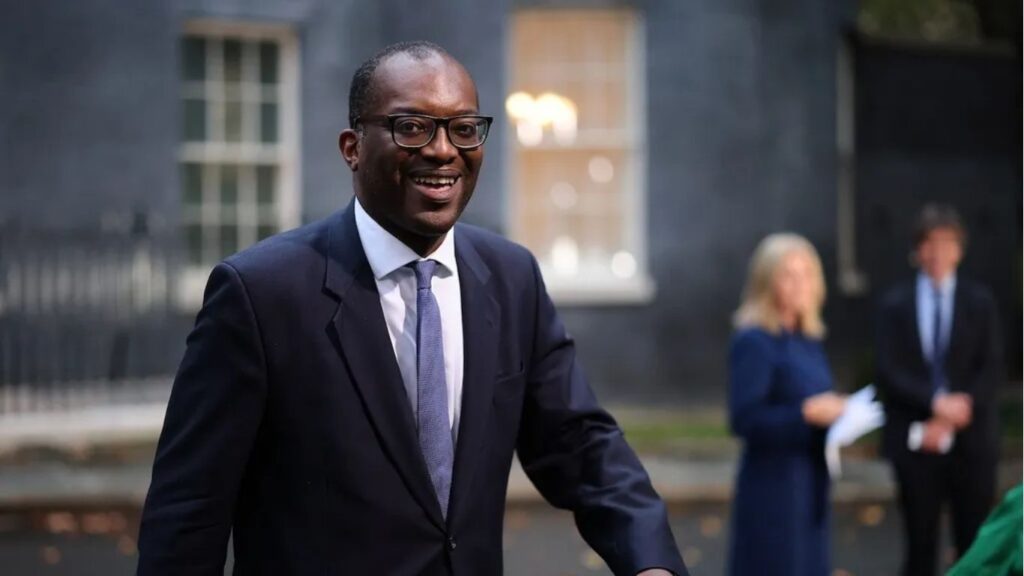
Kwasi Kwarteng is one of the most recognized figures in recent British politics, not only for his brief yet highly publicized tenure as Chancellor of the Exchequer in 2022 but also for his long-standing influence in economics and conservative policymaking. As a scholar, writer, and Member of Parliament, Kwarteng’s financial trajectory reflects his deep engagement in public service, business consulting, and intellectual work.
This detailed article explores Kwasi Kwarteng net worth, income sources, career milestones, personal investments, and how his wealth compares to other UK politicians. It also examines how his professional background and political decisions have influenced his financial position over the years.
Early Life and Education: Foundations of a Financial Mind
Family Background and Early Influences
Kwasi Alfred Addo Kwarteng was born on May 26, 1975, in Waltham Forest, London, to Ghanaian parents who had emigrated to the UK in the 1960s. His father worked as an economist, and his mother was a barrister — both highly educated and intellectually driven individuals who instilled in him a strong sense of discipline and ambition.
Growing up in a middle-class household with academic values, Kwarteng’s upbringing shaped his later interest in economics, finance, and political affairs. His family valued education as a tool of empowerment, which later became the foundation of his professional journey.
Elite Education and Academic Achievements
Kwarteng attended the prestigious Eton College on a scholarship, where he excelled academically and developed a passion for history and politics. Later, he went on to study at Trinity College, Cambridge, earning a double first-class degree in Classics and History.
During his time at Cambridge, he was also known for his exceptional intellect and wit, winning the famous University Challenge quiz show as part of the Trinity team in 1995. He then completed a PhD in Economic History at Cambridge, focusing on the 17th-century financial systems — an early indication of his deep engagement with fiscal theory and economics.
Professional Career Before Politics
Investment and Consulting Background
Before entering Parliament, Kwasi Kwarteng had a successful career in the private sector. He worked as a financial analyst at JP Morgan Chase and later as a consultant in the energy and finance sectors. These experiences gave him firsthand knowledge of global financial systems, markets, and corporate strategy.
Such a background in finance not only enhanced his professional credibility but also contributed significantly to his early personal earnings. While exact figures from his private-sector career remain undisclosed, analysts estimate that he earned a competitive salary and bonuses typical of London-based analysts, which likely helped him accumulate a substantial foundation for his net worth.
Author and Economic Commentator
Beyond finance, Kwarteng also pursued intellectual and literary ventures. He authored several books, including Ghosts of Empire, War and Gold, and Thatcher’s Trial, exploring economic and political history. His publishing work brought him recognition as a serious thinker within the Conservative Party and among British intellectual circles.
These books not only boosted his reputation but also contributed to his income through royalties, appearances, and intellectual consulting.
Political Career and Financial Growth
Entry into Politics
Kwasi Kwarteng began his political journey in the early 2000s and was first elected as the Member of Parliament (MP) for Spelthorne in Surrey in 2010. His financial situation improved steadily with his MP salary, which, at the time, was around £65,000 per year and has since increased to approximately £86,000 annually.
As an MP, he also benefited from additional allowances and reimbursements for parliamentary duties, travel, and constituency services. Over the years, these consistent incomes became a stable foundation for his overall wealth.
Ministerial Roles and Salary Increments
Kwarteng’s financial profile grew as he climbed the political ladder. He served in various government positions, including:
- Parliamentary Under-Secretary of State for Exiting the European Union (2018)
- Minister of State at the Department for Business, Energy, and Industrial Strategy (2019)
- Secretary of State for Business, Energy, and Industrial Strategy (2021)
- Chancellor of the Exchequer (2022)
Each of these roles came with incremental salary increases. As a Cabinet minister, his earnings exceeded £150,000 per year, combining his MP base salary and ministerial pay.
Chancellorship and Public Financial Attention
The Brief but Impactful Tenure
In September 2022, Kwarteng was appointed Chancellor of the Exchequer under Prime Minister Liz Truss. This was the pinnacle of his political career but also the period that placed his financial and economic decisions under global scrutiny.
His “mini-budget” introduced sweeping tax cuts aimed at boosting economic growth, but the market’s reaction was sharply negative. The British pound fell, bond yields surged, and investor confidence dropped dramatically. Within 38 days, he was dismissed — making his tenure one of the shortest in UK history.
Impact on His Public Image
The events of his short chancellorship had indirect implications for his financial reputation. Though his salary as Chancellor was generous, the political fallout arguably cost him opportunities for long-term ministerial stability. Nevertheless, his established credentials in economics and politics continued to maintain his marketability as a speaker, author, and commentator.
Current Estimated Net Worth
Range of Estimates
According to multiple UK-based sources and financial publications, Kwasi Kwarteng’s net worth is estimated between £800,000 and £1.5 million, equivalent to approximately $1.0 to $1.9 million USD.
This estimate takes into account his political salaries, book royalties, consulting income, and potential investments, though no official asset disclosure confirms the exact amount.
Key Sources of Wealth
Kwarteng’s wealth primarily stems from:
- Parliamentary Salary – His consistent earnings as an MP since 2010.
- Ministerial Salaries – High-income periods during his cabinet tenures.
- Book Royalties – Sales and rights from his published works.
- Private Sector Earnings – Prior experience in finance and consultancy.
- Investments and Savings – Possible holdings in property or private financial instruments.
No Evidence of Extravagant Lifestyle
Despite his status, Kwarteng is not known for living an extravagant life. He maintains a relatively low profile regarding personal expenditures and rarely appears in celebrity or lifestyle media. His financial discipline and modest public image reflect a preference for professionalism over luxury.
Assets and Investments
While no public data confirms Kwarteng’s detailed investment portfolio, it is reasonable to assume that he holds assets common among high-earning UK politicians:
- Property Ownership: Likely residential holdings in or near his constituency or London.
- Pension Funds: MP and government pension entitlements.
- Savings and Equity Investments: Personal savings or potential shareholdings based on his financial background.
He has previously mentioned the pressures of mortgage payments, suggesting that while financially comfortable, he manages typical middle-to-upper-class financial responsibilities rather than extreme wealth.
Comparison with Other UK Politicians
In comparison with other senior Conservative politicians, Kwarteng’s wealth is moderate.
- Figures like Rishi Sunak (worth over £700 million with his wife Akshata Murty) or Boris Johnson (estimated around £4 million) have far greater personal fortunes.
- Kwarteng’s estimated £1 million net worth positions him comfortably but not exceptionally among Parliamentarians.
This balance between intellect, political service, and stable finances aligns with his reputation as a career public servant rather than a business magnate.
Public Perception and Media Coverage
The public’s interest in Kwarteng’s finances spiked during his time as Chancellor, as questions arose about the influence of his background on his economic policies. Some critics speculated about his connections to financial institutions, though no evidence of wrongdoing ever surfaced.
Media portrayal often described him as a “confident and intellectual economist” rather than a wealthy elitist. His background, though privileged academically, is grounded in merit and scholarship rather than inherited fortune.
How His Books Contribute to His Wealth
Kwarteng’s writing career is a valuable component of his financial portfolio. His books explore topics like imperial history, financial systems, and political change. Titles like Ghosts of Empire and War and Gold have sold internationally, earning him both royalties and invitations to speak at literary and economic forums.
Though royalties alone are unlikely to make him a millionaire, they represent a steady and respected income source that complements his political and consulting earnings.
The Role of Speaking Engagements and Consultations
After stepping down as Chancellor, Kwarteng’s experience made him a sought-after speaker on finance and government policy. Former ministers often command significant fees for appearances at think-tanks, universities, and business events.
Even modest engagement fees — ranging from £5,000 to £20,000 per appearance — can substantially enhance annual income, especially for figures with economic expertise like Kwarteng.
Financial Outlook and Future Prospects
Though no longer in a cabinet position, Kwarteng continues to serve as MP for Spelthorne and remains active in political and policy circles. His future financial trajectory may depend on:
- Continued political involvement or consulting roles.
- Future books or publications.
- Possible positions in private-sector advisory boards or think tanks.
His disciplined approach to career and money suggests his net worth will likely grow modestly but steadily over time.
Kwasi Kwarteng’s Net Worth Summary Table
| Category | Estimated Value / Range | Notes |
|---|---|---|
| MP & Ministerial Salaries | £80,000 – £150,000 annually | Stable income since 2010 |
| Book Royalties | £50,000 – £150,000 | From multiple published works |
| Investments / Assets | £300,000 – £800,000 | Includes savings, pensions, or property |
| Estimated Total Net Worth | £800,000 – £1.5 million | As of 2025 |
Conclusion
Kwasi Kwarteng’s net worth paints a portrait of a man who has combined intellect, education, and ambition to build a stable, respectable financial standing. Far from being among the ultra-rich elite, his estimated wealth of around £1 million reflects a career of steady service and academic engagement rather than sudden windfalls.
His journey — from Eton scholar to Cambridge historian, from financial analyst to Chancellor — underscores the blend of hard work, intellect, and opportunity that defines modern British political success. Whether viewed as a scholar, politician, or economic thinker, Kwarteng’s financial story is ultimately one of professional achievement rather than extravagance.
Top 5 FAQs About Kwasi Kwarteng Net Worth
What is Kwasi Kwarteng’s net worth in 2025?
His net worth is estimated between £800,000 and £1.5 million, depending on varying media sources.
How does Kwasi Kwarteng make his money?
He earns through his MP salary, ministerial roles, book royalties, speaking engagements, and past consulting work in finance.
Is Kwasi Kwarteng one of the richest MPs in the UK?
No. Compared to wealthier politicians like Rishi Sunak or Boris Johnson, Kwarteng’s net worth is modest, positioning him in the mid-range among MPs.
Did his time as Chancellor increase his net worth significantly?
While his income was higher during his tenure, the short period of service (38 days) did not drastically change his overall financial standing.
Does Kwasi Kwarteng own any businesses or companies?
There is no public record of him owning or operating any private businesses. His income primarily stems from public office and writing.