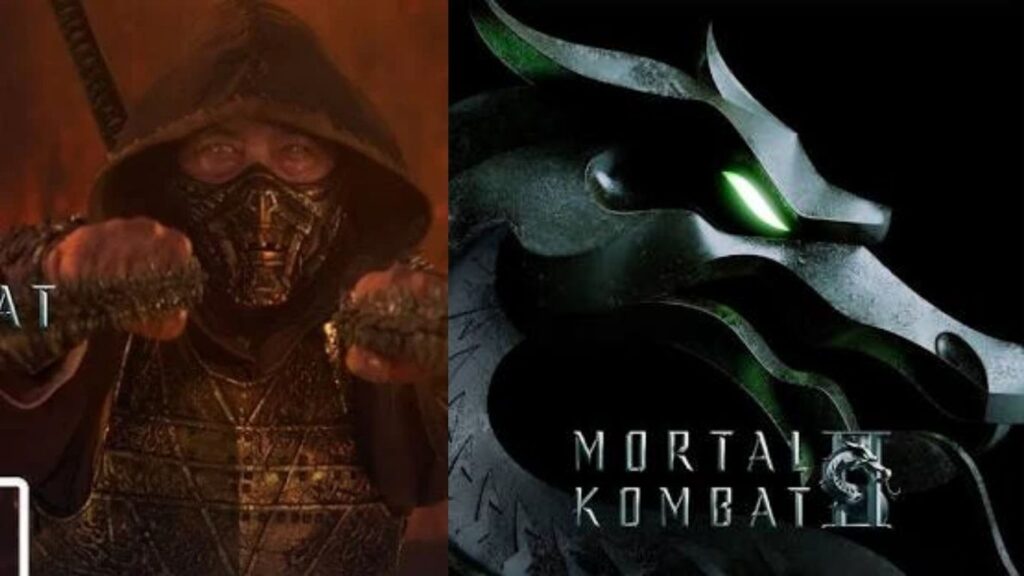
When people talk about the golden age of arcade fighting games, Mortal Kombat 2 often stands tall among the legends. Released in 1993 by Midway Games, this sequel didn’t just improve upon its predecessor — it revolutionized the fighting genre. With enhanced graphics, deeper gameplay mechanics, more characters, and unforgettable finishing moves, Mortal Kombat II quickly became a global phenomenon.
This game wasn’t just a sequel; it was a cultural milestone that solidified Mortal Kombat as one of the most iconic franchises in gaming history. Whether you were button-mashing in the arcades or mastering fatalities at home, Mortal Kombat II offered a visceral thrill that few games could match.
The Evolution from Mortal Kombat (1992)
The first Mortal Kombat was already a hit thanks to its digitized graphics, brutal fatalities, and shocking violence that stirred controversy and fascination alike. Yet, the developers knew they could push the envelope further. Mortal Kombat II was the answer — bigger, faster, and more polished in every way.
Improved Gameplay Mechanics
The first noticeable difference was fluidity. The movements in Mortal Kombat II were smoother, the controls tighter, and the combat system more responsive. Players could now perform combos, juggle opponents, and chain special moves together more naturally.
Expanded Roster
The character lineup doubled in size, introducing new fan-favorites that would go on to define the franchise. Players now had twelve characters to choose from, each with their unique moves, fatalities, and storylines.
Enhanced Graphics and Sound
Digitized actors still provided the visuals, but the animations were refined, backgrounds became more detailed, and sound effects — from grunts to screams — added cinematic impact. The arenas were darker, richer, and more atmospheric, giving the game a fantasy-horror tone that set it apart from competitors like Street Fighter II.
The Storyline: From Earthrealm to Outworld
The story of Mortal Kombat II picks up after the events of the first game. Earthrealm’s champion, Liu Kang, had defeated Shang Tsung in the original Mortal Kombat tournament. However, rather than accept defeat, Shang Tsung pleaded for mercy from his master, the Emperor of Outworld — Shao Kahn.
Shao Kahn allowed Shang Tsung to live but demanded a new plan: lure Earth’s fighters into a new tournament held in Outworld — a dark, twisted realm filled with demons, warriors, and deadly traps. If Earth’s heroes lost, Shao Kahn would invade their world.
This setup raised the stakes dramatically. The tone was darker, the locations more dangerous, and the consequences far more serious.
Character Roster: Old Favorites and New Challengers
Mortal Kombat II’s roster became one of the most balanced and beloved lineups in fighting game history. It included returning heroes and new faces that expanded the mythos of the series.
Returning Fighters
- Liu Kang – The Shaolin monk and Earthrealm’s champion, using fast kicks and fireballs.
- Johnny Cage – The cocky Hollywood star, back with powerful uppercuts and the classic “Shadow Kick.”
- Raiden – The thunder god returned with lightning bolts and teleportation powers.
- Sub-Zero – The icy assassin capable of freezing opponents mid-combat.
- Scorpion – The undead ninja with his famous “Get over here!” spear attack.
New Characters
- Kung Lao – A Shaolin warrior and ally of Liu Kang, known for his razor-edged hat throw.
- Kitana – A royal assassin and daughter of Shao Kahn, using steel fans as deadly weapons.
- Mileena – Kitana’s cloned sister, hiding a monstrous mouth behind her veil.
- Baraka – A Tarkatan warrior with retractable blades emerging from his arms.
- Jax Briggs – A Special Forces soldier with immense strength and ground-pounding power.
- Reptile – A secret character from the first game, now fully playable, with acid-spitting attacks.
- Shang Tsung – Revitalized and younger, with the ability to morph into other characters mid-fight.
Bosses and Hidden Characters
The final boss, Shao Kahn, became an icon of villainy — a towering brute with immense power. Alongside him were secret characters such as Noob Saibot, Smoke, and Jade, each unlockable under specific conditions. These secrets added mystique and replay value that kept players hooked.
Gameplay Mechanics and Controls
Mortal Kombat II deepened the fighting system while keeping it accessible for newcomers.
Refined Combat System
Combat flowed faster than before, with smoother hit detection and enhanced juggling potential. The introduction of combo possibilities allowed players to chain attacks together for higher damage.
Special Moves and Finishers
Each fighter came equipped with signature special moves — projectiles, teleportations, or grapples — alongside their Fatalities, the brutal finishing moves that became the game’s trademark.
Beyond Fatalities, the developers introduced new, humorous finishing options:
- Friendship: End a match peacefully with a funny gesture instead of killing the opponent.
- Babality: Transform your opponent into a harmless baby.
- Stage Fatalities: Use the environment (like spikes or acid pools) to finish your opponent in gruesome style.
These features gave Mortal Kombat II both a darker tone and a self-aware sense of humor.
Visuals and Audio: Setting a New Standard
In 1993, Mortal Kombat II was visually groundbreaking. Its digitized actors gave the game a realistic look that no other fighting title could match. The backgrounds were rich and atmospheric, from the eerie Dead Pool to the mystical Living Forest with its whispering faces.
The sound design was equally impressive — crisp punches, echoing screams, and the announcer’s booming “Finish Him!” became gaming legends. The soundtrack blended ominous beats with traditional martial arts motifs, enhancing the tension of every match.
The Arcade Phenomenon
When Mortal Kombat II hit arcades, it was an instant sensation. Lines of players waited their turn, quarters stacked on the cabinet as a “next up” system. The competitive environment around the game created communities before online gaming existed.
Arcade culture thrived on the thrill of discovering new secrets — hidden characters, mysterious moves, and unspoken codes passed between players. Mortal Kombat II capitalized on this sense of mystery better than any other game of its time.
Home Console Ports and Adaptations
Following its arcade success, Mortal Kombat II was ported to nearly every home system available in the mid-1990s, including:
- Super Nintendo Entertainment System (SNES)
- Sega Genesis (Mega Drive)
- Sega Saturn
- Game Boy and Game Gear
- PlayStation and MS-DOS
Differences Between Versions
While most ports were faithful, some had differences in graphics and sound due to hardware limitations. The SNES version offered superior visuals, while the Genesis version was known for faster gameplay. Regardless of the platform, Mortal Kombat II remained highly playable and fun.
Controversy and the ESRB
Like its predecessor, Mortal Kombat II was no stranger to controversy. Its violent finishers once again drew criticism from parents and politicians, fueling debates over video game violence.
This controversy led to the creation of the Entertainment Software Rating Board (ESRB) — a system that rates games for age-appropriate content. Ironically, the very thing that sparked outrage also made Mortal Kombat II even more famous. Its boldness defined a generation of gamers who craved mature, adrenaline-fueled content.
Cultural Impact and Legacy
Mortal Kombat II didn’t just sell millions of copies — it became part of pop culture.
Mainstream Popularity
The characters, catchphrases, and visuals spilled over into movies, comic books, toys, and animated series. By the mid-90s, Mortal Kombat was a household name. Phrases like “Finish Him!” and “Flawless Victory” became part of gamer slang.
Competitive Play
Decades before esports became mainstream, Mortal Kombat II fostered competitive play in arcades. Local tournaments and bragging rights made every win feel monumental.
Influence on Future Games
The success of Mortal Kombat II influenced nearly every fighting game that followed. It proved that fighting games could have deep lore, memorable characters, and a mix of violence and strategy that kept players engaged for years.
Hidden Secrets and Easter Eggs
One of Mortal Kombat II’s most exciting aspects was its secrets. Players loved uncovering hidden characters or performing impossible-seeming actions.
Some of the most famous secrets included:
- Fight Jade: Win one round using only low kicks and reach the question mark on the ladder.
- Fight Smoke: See a gray ninja pop up with cryptic messages, then meet him after specific conditions.
- Fight Noob Saibot: Named after the reversed surnames of creators Ed Boon and John Tobias, he appeared as a shadowy fighter.
These secrets made the game feel alive, as if there were still undiscovered mysteries lurking in the code.
Why Mortal Kombat 2 Still Holds Up Today
Even decades later, Mortal Kombat II remains one of the most celebrated fighting games ever made. Its simplicity, balance, and raw energy are timeless.
Modern ports and digital re-releases allow new generations to experience it, often with online multiplayer or enhanced visuals. Despite technological advances, many fans argue that no later Mortal Kombat quite captured the same charm and purity as this 1993 masterpiece.
Legacy in the Mortal Kombat Franchise
Mortal Kombat II set the tone for everything that followed — its storylines, world-building, and characters became cornerstones of the franchise. Many future games, from Mortal Kombat 9 to Mortal Kombat 11, paid direct homage to the events and characters of this game.
Without Mortal Kombat II, there would likely be no cinematic universe, no long-running storyline of Earthrealm versus Outworld, and no beloved roster of fighters that millions of fans know today.
Conclusion
Mortal Kombat II is more than a sequel — it’s a benchmark in video game history. From its crisp gameplay and revolutionary finishing moves to its unforgettable characters and atmospheric design, it shaped the way we think about fighting games.
It’s rare for a sequel to outshine its predecessor so completely, but Mortal Kombat II did just that. It remains a timeless classic, cherished by both nostalgic fans and new players discovering the origins of this brutal and beautiful franchise.
Frequently Asked Questions About Mortal Kombat 2
When was Mortal Kombat 2 released?
Mortal Kombat II was originally released in arcades in 1993, followed by home console versions throughout 1994 and 1995.
Who is the final boss in Mortal Kombat 2?
The final boss is Shao Kahn, the Emperor of Outworld — a towering and immensely powerful fighter who became one of gaming’s most recognizable villains.
Which characters debuted in Mortal Kombat 2?
Several iconic fighters debuted here, including Kitana, Mileena, Kung Lao, Baraka, and Jax. These characters became recurring staples in later games.
What new features did Mortal Kombat 2 introduce?
The game introduced new finishing moves like Friendships, Babalities, and Stage Fatalities, improved combat mechanics, and hidden characters that increased replay value.
Why is Mortal Kombat 2 considered a classic?
Because it perfected the formula of fast-paced combat, memorable characters, and rich world-building, setting a gold standard for all future fighting games.